

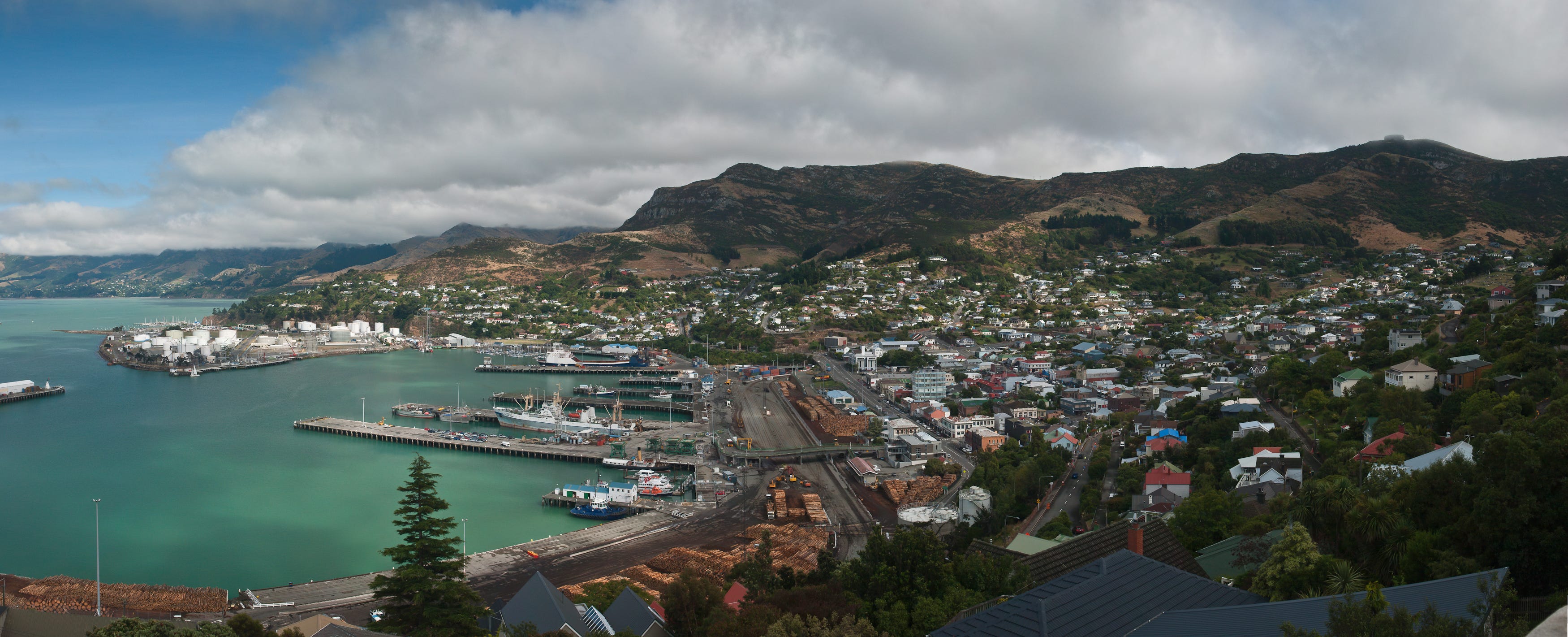
New Zealand is a remote island nation, but will soon be one that utilises seafaring trade without a domestic merchant fleet. The last remaining New Zealand Flagged Container Ship, the MV Moana Chief, is being withdrawn from domestic coastal services, in a move that the Maritime Union of New Zealand (MUNZ) says represents a catastrophic milestone for the country’s economic resilience.
MUNZ National Secretary Carl Findlay described the decision as a direct consequence of decades of short-sighted transport deregulation and government indifference to the country’s strategic infrastructure.
“The withdrawal of the MV Moana Chief is a devastating blow, not just to the skilled Kiwi seafarers who face redundancy, but to our entire island nation,” says Mr Findlay.
“We have allowed our last domestic container link to be broken. Our absolute reliance on foreign-flagged, foreign-crewed vessels means that decisions about New Zealand’s supply chain security are now made entirely in overseas boardrooms with zero loyalty to our country.”
Mr Findlay says this development underscores a desperate need for immediate government support, intervention, and a long-term, cohesive strategy for domestic coastal shipping.
“New Zealand is an island nation that relies on sea transport to move freight, yet our ‘blue highway’ has been left to rot. Leaving our coastal lanes open to international operators running flag-of-convenience vessels with sub-standard wages is an act of economic sabotage. We need a real plan to back our domestic fleet, protect local jobs, and build maritime resilience before the next major disaster or global shock cuts us off completely.”
MUNZ is advocating for immediate legislative reforms to amend Section 198 of the Maritime Transport Act 1994, which currently allows international ships to carry domestic cargo as a matter of right. MUNZ also demands a return to rules that prioritize New Zealand-flagged and New Zealand-crewed vessels for domestic port-to-port trade.
The union criticised State-Owned Enterprise KiwiRail for what it described as complicity in undermining local maritime infrastructure through its freight aggregation models.
“It is a disgrace that KiwiRail, a taxpayer-owned entity, has chosen to outsource domestic freight movement to foreign vessels operated by international lines like CMA CGM and ANL,” says Mr Findlay.
“As a State-Owned Enterprise, KiwiRail’s primary obligation should be supporting New Zealand infrastructure, New Zealand workers, and New Zealand capabilities. Instead, they are bypassing local crews and local shipping in favour of foreign operators who pay a fraction of local wages. KiwiRail should be leading the charge to use New Zealand flagged and crewed ships, not helping to dismantle them.”
“We won’t rebuild our domestic maritime capability overnight, but we must draw a line in the sand today. Re-establishing a secure, low-emission, locally operated coastal fleet is a matter of basic national security. It is time for the Government to step up, close the loopholes in the Maritime Transport Act, and invest in our own people and our own shores.”
Coastal shipping could be a valuable part of decarbonisation. While at present 80% of heavy goods transport is done via trucking, studies have shown coastal shipping produces a fifth of the carbon emissions of trucking. Findlay says the loss of the MV Moana Chief underscores a desperate need for immediate government support, intervention, and a long-term, cohesive strategy for domestic coastal shipping.
“New Zealand is an island nation that relies on sea transport to move freight, yet our ‘blue highway’ has been left to rot. Leaving our coastal lanes open to international operators running flag-of-convenience vessels with sub-standard wages is an act of economic sabotage. We need a real plan to back our domestic fleet, protect local jobs, and build maritime resilience before the next major disaster or global shock cuts us off completely.”
What is the justification they have given for this? It seems so counter-intuitive that it could be sold to the population of an island(s) nation.
We need to be in control of our own destiny